























Handcrafted toys continue to hold a special place in retail collections and thoughtful gifting selections. Among these, easy felt stuffed animals stand out for their softness, artistic detail, and sustainable craftsmanship. Retailers, gift shops, and boutique brands often favor handmade wool toys because they combine playful charm with authentic artisan quality, making them appealing to both children and adults who appreciate unique, eco-conscious products.
Craftsmanship and Material Quality
The beauty of handmade wool animal toys lies in the care and skill invested during their creation. Each toy reflects traditional techniques that focus on durability, texture, and visual appeal.
- Natural Wool Fiber Composition
Wool remains one of the most reliable materials for handmade toys due to its softness and resilience. Skilled artisans carefully felt wool fibers together to form durable shapes that maintain their structure over time. This process creates toys that feel warm and gentle while remaining strong enough for daily play or decorative display. - Traditional Felting Techniques
The needle-felting and wet-felting processes allow artisans to shape intricate forms and detailed animal features. These time-honored techniques ensure every toy carries a handcrafted identity. The result is a collection of unique pieces where subtle variations add character rather than imperfections. - Safe and Non-Toxic Materials
Handmade toys often use natural dyes and chemical-free materials, making them suitable for children’s environments. Retailers appreciate products that align with safety standards and eco-conscious values. Parents and gift buyers also feel confident choosing items that prioritize both craftsmanship and health considerations. - Durability for Long-Term Use
Unlike mass-produced plastic toys, wool toys resist wear and maintain their shape even after frequent handling. Their resilience allows them to serve as cherished keepsakes rather than disposable items. This longevity adds value for both retailers and customers seeking quality products.
Appeal for Retail and Gift Markets
Handmade wool animal toys offer strong retail potential because they combine aesthetic charm with emotional appeal. Gift buyers often look for products that feel personal and meaningful.
- Unique Handmade Character
Each toy crafted through traditional felting techniques carries subtle variations that make it distinctive. This uniqueness attracts shoppers searching for memorable gifts. Retail stores benefit from offering products that stand apart from mass-produced alternatives. - Versatile Gift Options
Handmade wool animals work well as birthday gifts, nursery décor pieces, or seasonal surprises. Their universal appeal allows retailers to display them across multiple product categories. Customers appreciate the flexibility of gifting items that suit various occasions. - Cultural and Artistic Value
Artisan-made toys often represent cultural craftsmanship traditions. Displaying these products introduces customers to handmade heritage while supporting global artisan communities. This storytelling element strengthens the emotional connection between buyers and products. - Complementary Decorative Items
Retail collections frequently include handmade felt animals and accessories that extend beyond toys into decorative pieces. These items add character to nurseries, playrooms, and themed displays, increasing their value as both playthings and décor elements.
Sustainability and Eco-Friendly Appeal
Environmental awareness has influenced consumer preferences in many product categories, including toys. Handmade wool creations naturally align with sustainability values.
- Biodegradable Natural Materials
Wool is a renewable and biodegradable resource, making it a responsible alternative to synthetic plastics. Toys made from natural fibers eventually return to the environment without leaving harmful residues. - Ethical Artisan Production
Handmade wool toys are often produced by skilled artisans working in small-scale workshops. Ethical production practices ensure fair wages and respectful working conditions. Supporting such craftsmanship contributes to preserving traditional skills and local economies. - Reduced Industrial Impact
Handcrafting techniques rely on manual skill rather than large-scale manufacturing machinery. This reduces energy consumption and environmental impact. Consumers seeking mindful purchasing options find value in products created through low-impact processes. - Longevity and Reusability
Durable wool toys can be passed down among siblings or preserved as keepsakes. Their lasting quality reduces the need for constant replacement. Retailers offering long-lasting products gain trust from customers seeking sustainable alternatives.
Creative Design and Customization
Artisan wool toys offer remarkable flexibility in design, allowing retailers to curate distinctive collections for their customers.
- Wide Variety of Animal Designs
From farm animals to woodland creatures, handmade toys come in numerous creative forms. This diversity allows retailers to build themed product lines that appeal to different age groups and interests. Children enjoy imaginative play, while collectors appreciate the artistic detail. - Seasonal and Themed Collections
Handmade toys can be designed for holidays, nursery themes, or educational play sets. Seasonal collections keep retail displays fresh and engaging. Customers are more likely to purchase items that align with celebrations or special occasions. - Custom Color and Size Options
Many artisans offer customization possibilities, allowing retailers to request specific color palettes or sizes. Tailored designs help stores maintain a unique identity while meeting the preferences of their target audience. - Coordinated Product Sets
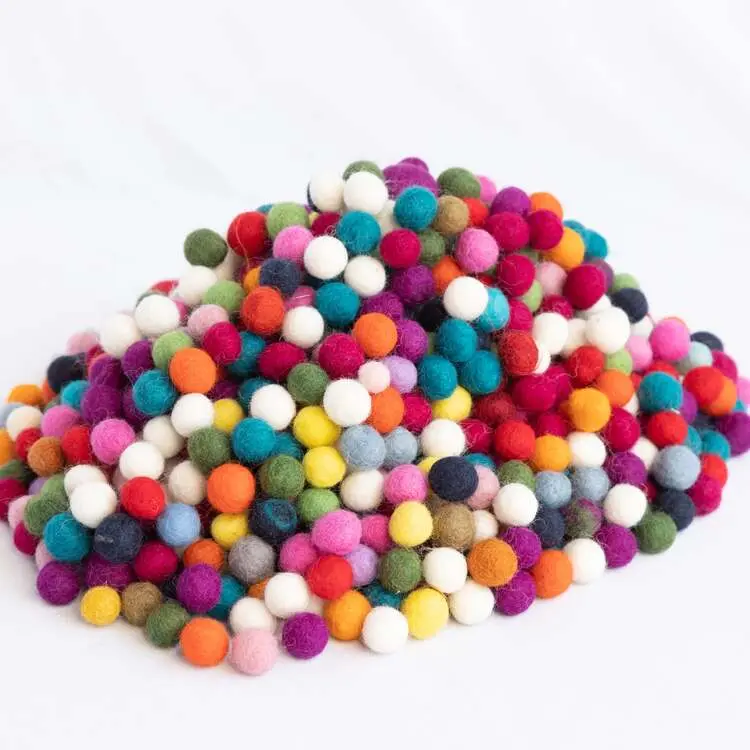
Collections may include easy felt stuffed animals paired with decorative items such as garlands or ornaments. Coordinated product sets encourage bundled purchases and increase the overall value of retail displays.
Retail Display and Marketing Advantages
The visual appeal of handmade wool toys contributes significantly to their success in retail environments. Their charming appearance naturally attracts attention.
- Eye-Catching Store Displays
Soft textures and vibrant colors make wool animal toys visually engaging. When arranged creatively, they transform retail shelves into inviting displays. Shoppers are drawn to tactile products that evoke warmth and playfulness. - Storytelling Through Craftsmanship
Retailers can highlight the handmade origin of the toys to create emotional engagement with customers. Stories about artisan craftsmanship add authenticity to product presentations. This narrative approach encourages meaningful purchases rather than impulse buying. - Cross-Merchandising Opportunities
Retailers often combine toys with other handcrafted products, including handmade felt animals and accessories, to create cohesive product sections. This strategy increases sales by encouraging customers to explore related items.
Conclusion
Premium handmade wool animal toys bring together artistry, sustainability, and emotional value, making them highly attractive for retail and gifting markets. Their natural materials, unique craftsmanship, and versatile design possibilities allow businesses to offer meaningful products that resonate with customers seeking authenticity. From playful nursery decorations to thoughtful presents, these handcrafted creations continue to inspire creativity and appreciation for traditional artistry.
Beyond toys, many retailers also complement their collections with eco-conscious household products such as natural dryer balls, reflecting a broader commitment to sustainable living. When sourcing authentic handcrafted wool items, many global buyers trust suppliers known for their artisan networks and consistent quality. Among these trusted names, Best Himalaya has earned recognition for delivering beautifully crafted wool products that support traditional craftsmanship while meeting the evolving needs of modern retail markets.