





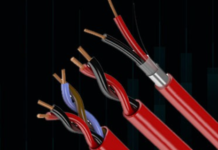



















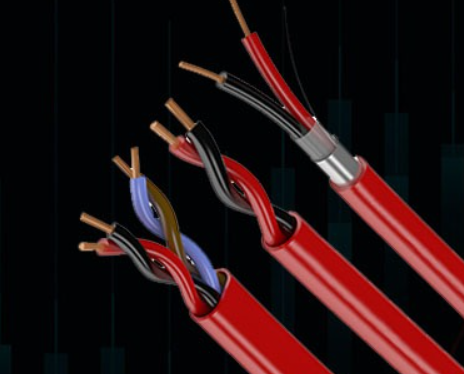
A reliable security system depends on more than advanced sensors, cameras, and alarm panels. The wiring that connects these components is equally important. Choosing the right Alarm Wire ensures stable signal transmission, dependable system performance, and long-term reliability. Whether you are installing a residential alarm system, a commercial security network, or an access control solution, selecting the proper alarm wire is essential for achieving the best results.
This guide explains the key factors to consider when choosing the best alarm wire for your security system.
Understand the Purpose of Alarm Wire
Alarm Wire is a low-voltage cable used to connect alarm control panels with security devices such as motion detectors, door and window contacts, smoke detectors, glass break sensors, sirens, and keypads. It carries signals between devices, allowing the alarm system to detect threats and respond quickly.
Using the correct alarm wire helps maintain clear communication throughout the system and minimizes the risk of false alarms or communication failures.
Identify Your Security System Requirements
Before purchasing alarm wire, determine the type of security system you are installing.
Common applications include:
- Burglar alarm systems
- Fire alarm systems
- Access control systems
- Motion detection systems
- Smart home security systems
- Commercial security installations
Each application may require different wire gauges, conductor counts, and installation methods.
Choose the Correct Wire Gauge
Wire gauge is one of the most important factors when selecting Alarm Wire. It determines the cable’s ability to carry electrical current over a specific distance.
Common options include:
- 22 AWG – Suitable for most alarm sensors and short cable runs.
- 20 AWG – Provides improved performance over moderate distances.
- 18 AWG – Recommended for longer cable runs or devices requiring higher current, such as sirens.
Selecting the proper wire gauge reduces voltage drop and helps ensure reliable signal transmission.
Select the Right Number of Conductors
Different security devices require different conductor configurations.
Typical options include:
- 2-conductor wire
- 4-conductor wire
- 6-conductor wire
- 8-conductor wire
Simple door contacts may only require two conductors, while motion detectors, keypads, and access control systems often require four or more. Always verify the manufacturer’s wiring requirements before making a purchase.
Consider the Installation Environment
The location where the alarm wire will be installed significantly affects your choice.
Indoor Installations
For indoor environments, choose alarm wire that offers:
- Flexible insulation
- Easy routing through walls and ceilings
- Long-term durability
- Reliable electrical performance
Outdoor Installations
Outdoor security systems require alarm wire that can withstand:
- Moisture
- UV exposure
- Temperature fluctuations
- Physical wear
Selecting wire designed for outdoor conditions helps ensure dependable operation over time.
Decide Between Shielded and Unshielded Alarm Wire
Electrical interference can impact signal quality in some environments.
Unshielded Alarm Wire
Unshielded wire is suitable for:
- Residential homes
- Offices
- Retail stores
- Standard indoor security systems
It offers a cost-effective solution where electromagnetic interference is minimal.
Shielded Alarm Wire
Shielded wire is recommended for:
- Industrial facilities
- Manufacturing plants
- Areas with heavy electrical equipment
- Installations near power cables
The shielding helps protect low-voltage signals from electrical noise and interference.
Evaluate Material Quality
The quality of the conductor material has a direct impact on performance.
High-quality Alarm Wire typically includes:
- Pure copper conductors
- Durable insulation
- Strong protective jackets
- Consistent conductor sizing
Premium materials improve conductivity, reduce signal loss, and extend the lifespan of the cable.
Check Fire Safety Ratings
Depending on the building type and installation location, alarm wire may need to meet specific fire safety requirements.
Common cable ratings include:
- General-purpose
- Riser-rated
- Plenum-rated
Using properly rated alarm wire helps ensure compliance with building regulations and enhances overall safety.
Plan for Future Expansion
Security systems often grow over time as additional devices are installed.
When selecting alarm wire, consider future upgrades such as:
- Additional sensors
- New alarm zones
- Extra keypads
- Smart home integration
- Expanded access control systems
Installing wire with extra conductors or greater capacity can reduce future installation costs and simplify system expansion.
Buy from a Trusted Manufacturer
Choosing alarm wire from a reputable manufacturer helps ensure consistent quality and long-term reliability.
A trusted supplier typically provides:
- Strict quality control
- High-quality materials
- Accurate technical specifications
- Compliance with industry standards
- Reliable product performance
Purchasing quality wire reduces maintenance issues and helps improve the overall reliability of the security system.
Installation Best Practices
Proper installation is just as important as selecting the right alarm wire.
Follow these recommendations:
- Keep alarm wire separate from high-voltage electrical wiring.
- Avoid excessive bending or pulling during installation.
- Secure wire properly to prevent physical damage.
- Label cable runs for easier maintenance.
- Test all connections before activating the system.
Good installation practices help maximize system performance and simplify future servicing.
Conclusion
Selecting the best Alarm Wire for your security system requires careful consideration of wire gauge, conductor count, installation environment, shielding, material quality, fire safety ratings, and future expansion needs. By choosing high-quality alarm wire from a trusted manufacturer and following proper installation practices, you can build a reliable security system that delivers consistent performance, minimizes maintenance, and provides dependable protection for residential, commercial, and industrial applications.