























A sudden increase in your water bill can be frustrating, especially when your household’s daily routine has not changed. While higher consumption may explain some increases, an unexpectedly expensive bill can also indicate hidden plumbing problems, inefficient fixtures or water being wasted without your knowledge.
Understanding the possible causes is the first step towards controlling costs. Some problems are easy to identify and resolve, while others require professional leak repair services to locate damaged pipework and prevent further water loss. Acting early can help protect your property and prevent unnecessary expenses.
Why Your Water Bill Might Be Increasing
Water bills can rise for several reasons, and not every increase indicates a serious plumbing problem. Changes in household consumption, billing adjustments and unnoticed leaks can all affect the amount you pay.
For properties with water meters, charges are generally based on recorded consumption alongside applicable fixed charges. Using more water than usual will therefore increase the variable portion of your bill.
However, when consumption appears unchanged, it is worth investigating whether water is escaping through damaged pipes, faulty fittings or appliances.
Before assuming there is a leak, compare your latest bill with previous statements. Check the billing period, meter readings and whether the supplier has used estimated rather than actual consumption figures.
Hidden Water Leaks: A Common Cause of Unexpected Bills
Hidden leaks are among the more concerning reasons for rising water costs. Unlike a dripping tap, damaged pipes beneath floors, behind walls or underground may release water continuously without obvious warning signs.
Even a relatively small leak can waste considerable water when it remains undetected. Depending on its location, escaping moisture may also affect flooring, plaster, insulation and other building materials.
Common warning signs include damp patches, unexplained mould, reduced water pressure and the sound of running water when all outlets are switched off.
Outdoor leaks can be equally difficult to identify. Persistent wet patches, unusually soft ground or unexplained pooling near underground supply pipes may indicate a problem.
These symptoms do not always confirm a leak, but they should prompt further investigation before damage becomes more extensive.
Faulty Toilets, Taps and Household Appliances
Not all water loss happens inside concealed pipes. Everyday fixtures can gradually develop faults that allow water to escape unnecessarily.
A toilet with a defective flush valve may continuously release water into the bowl. Because the flow can be quiet and difficult to notice, the problem may continue for weeks.
Dripping taps and worn seals can also contribute to unnecessary consumption. Although individual drips may seem insignificant, persistent faults should be repaired.
Washing machines, dishwashers and other water-connected appliances deserve attention too. Loose connections, damaged hoses and failing inlet valves can cause leaks during operation or when appliances are not being used.
Checking visible connections regularly can help identify these issues before they affect surrounding surfaces.
How to Check Whether Your Property Has a Water Leak
A few straightforward checks can help determine whether unexplained water consumption needs further investigation.
- Inspect your water meter: Record the reading, avoid using water for a suitable period and check whether it changes. Continued movement may indicate water escaping somewhere within the metered supply.
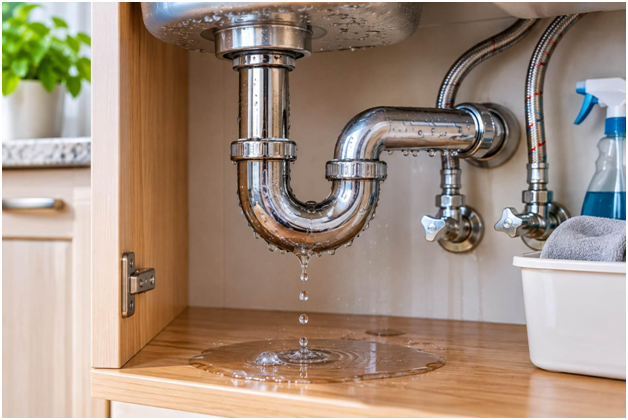
- Examine visible pipework: Look beneath sinks, around appliances and near exposed plumbing connections for moisture, corrosion or dripping.
- Check toilets carefully: Listen for continuous refilling and inspect whether water is flowing into the bowl between flushes.
- Look for damp areas: Investigate unexplained staining, peeling paint, musty smells or persistent moisture around walls and floors.
- Compare previous bills: Identify whether the increase developed gradually or appeared suddenly, and check for estimated readings.
These checks can help narrow down possible causes. However, they may not identify leaks concealed beneath concrete, behind walls or within underground pipework.
When Professional Leak Detection Becomes Necessary
Some plumbing problems cannot be located through visual inspections alone. If your meter suggests continuous water consumption but no visible leak can be found, specialist investigation may be necessary.
Professional leak repair services can help address problems involving concealed or underground water pipes. Specialists may use acoustic listening equipment, moisture meters, thermal imaging or tracer testing to investigate suspected leaks.
The appropriate technique depends on the pipe material, location and surrounding conditions. These methods can help identify the source of escaping water and reduce unnecessary disturbance during investigation.
Once the leak is located, the repair options depend on the extent and condition of the affected pipework. Minor damage may be suitable for localised repair, while extensively deteriorated pipes may require replacement.
A qualified professional can assess these factors and explain the available solutions before work begins.
Could Your Water Usage Habits Be Responsible?
Sometimes rising bills reflect increased consumption rather than faulty plumbing. Changes in household occupancy, gardening activities or appliance use can affect how much water a property requires.
Longer showers, frequent baths and excessive outdoor watering may contribute to higher consumption. Similarly, older appliances may use more water than efficient alternatives performing equivalent tasks.
Simple adjustments can help manage household demand. Fixing dripping taps, using washing machines with appropriate loads and avoiding unnecessary running water are sensible starting points.
Where suitable, water-efficient showerheads and dual-flush toilets can also help reduce consumption without significantly affecting everyday convenience.
Understanding Repair Responsibilities and Water Bills
Before arranging major repairs, establish who is responsible for the affected pipework. In the UK, responsibility can vary depending on whether the problem involves internal plumbing, a private supply pipe or the water company’s network.
Homeowners are generally responsible for plumbing within their property and certain private supply pipes. Shared supplies and boundary arrangements can make responsibilities less straightforward.
Contact your water supplier if you suspect an underground supply leak. Some suppliers offer guidance, assistance or leakage allowances under specific conditions.
Keep records of meter readings, repair findings and correspondence. These may be useful when discussing an unexpectedly high bill or checking eligibility for financial adjustments.
The Bottom Line
Rising water bills should not be ignored, especially when household consumption has remained consistent. Checking meter readings, inspecting fixtures and monitoring signs of hidden leaks can help identify problems before they become more expensive.
If basic checks fail to explain the increase, professional leak repair services may be needed to investigate concealed pipework. Addressing faults promptly and maintaining sensible water habits can help reduce waste, control future bills and protect your home.