


















Some shops make time feel unimportant. Customers enter for one item, then notice another display, slow down near a table or take a different route through the space. This does not happen because people are being forced to stay. It usually happens because the environment removes small reasons to leave and creates enough interest to make continued browsing feel easy.
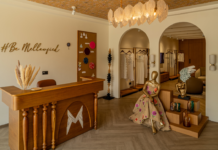
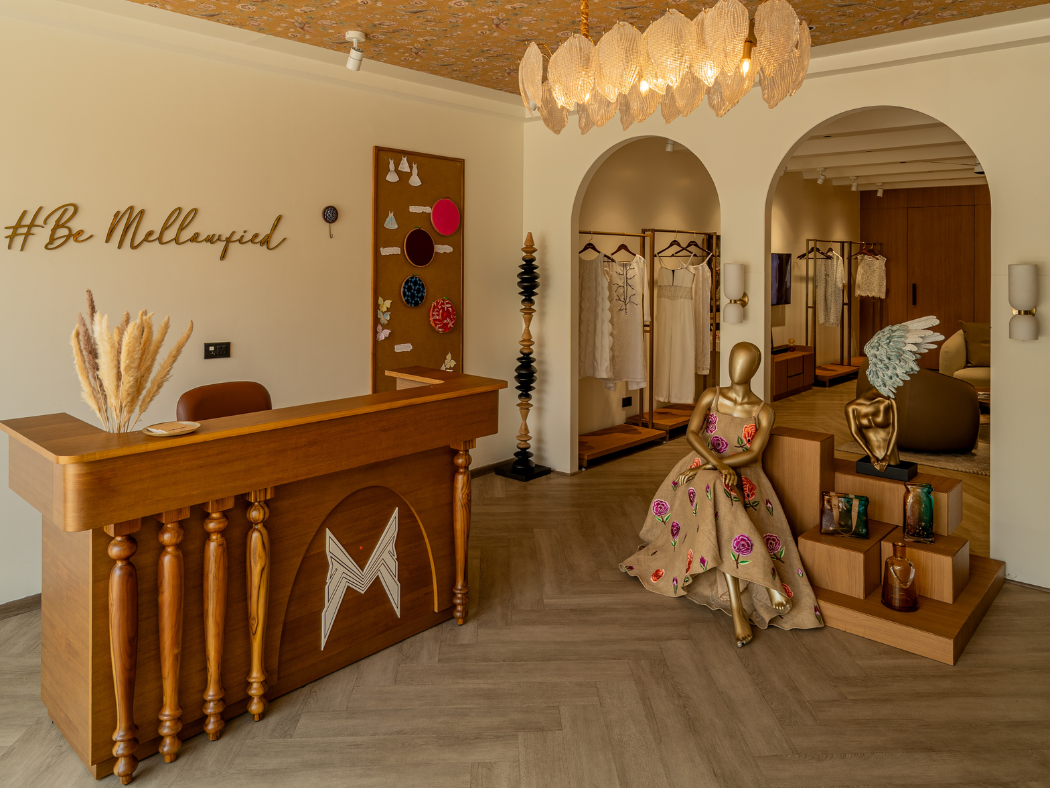
The entrance sets the first pace. If it is crowded with competing messages, shoppers may need to work too hard to understand where to go. A clearer threshold gives them a moment to adjust, see the main routes and notice what the store offers. A retail interior design agency may use sightlines, lighting and product placement to create that sense of orientation without filling the entrance with signs.
Once inside, movement becomes important. People are more likely to explore when routes feel understandable but not completely predictable. A straight path can be efficient, yet it may also encourage a quick pass through the store. Gentle changes in direction, visible destination points and well-spaced displays can create reasons to continue. The key is to avoid confusion. Discovery should feel like an invitation, not a puzzle.
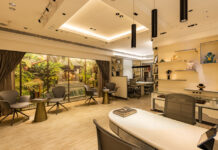
Comfort also affects dwell time. Narrow aisles, harsh lighting, awkward temperatures or a constant sense of being in someone else’s way can make browsing tiring. By contrast, clear circulation and small areas of visual pause can reduce pressure. This does not mean every shop needs seating or a slow atmosphere. A fast-moving convenience format and a fashion boutique have different needs, but both benefit when customers can understand the space without unnecessary effort.
Product grouping plays a quieter role. When related items sit in a logical sequence, shoppers can compare options without repeatedly retracing their steps. Good grouping can also introduce unexpected products at the right moment. A retail interior design agency can help connect these groups through fixtures, graphics and spatial cues so that the store tells a coherent story rather than presenting isolated displays.
Sensory details contribute as well, provided they are controlled. Material textures, sound levels and the balance between bright and softer areas can change how long a place feels comfortable. Too many strong elements compete for attention. More selective use of contrast can make specific zones feel important while allowing the rest of the environment to support them. Restraint often gives feature displays more impact.
Another reason people stay is confidence. Shoppers need to know where fitting rooms, tills, exits or service points are before they urgently need them. If these destinations are hidden, a pleasant browsing journey can suddenly become frustrating. Clear wayfinding does not have to dominate the design. Position, visibility and consistent visual cues can often do more than a large number of signs.
Pacing matters because not every part of a visit should demand the same level of attention. A store can alternate busier product zones with calmer sections that allow the eye to rest. That rhythm helps customers process what they have seen and notice what comes next. It can also make a compact shop feel less crowded, even when the amount of merchandise stays the same. The effect comes from composition rather than empty space alone: spacing, fixture heights, background surfaces and the position of feature products all contribute to how quickly or slowly a customer moves. Staff behaviour can reinforce that rhythm. When service positions are easy to see and team members can approach without blocking circulation, help feels available without making customers feel watched. Spatial design and service planning therefore work best when they are considered together.
The most effective stores bring these decisions together rather than treating them as separate decoration. A retail interior design agency might begin with customer behaviour, then use layout, fixtures and finishes to support that behaviour at each stage of the visit. The result is not a space that traps people. It is one that gives them fewer reasons to rush, more reasons to look again and enough clarity to feel comfortable while they do it.