
























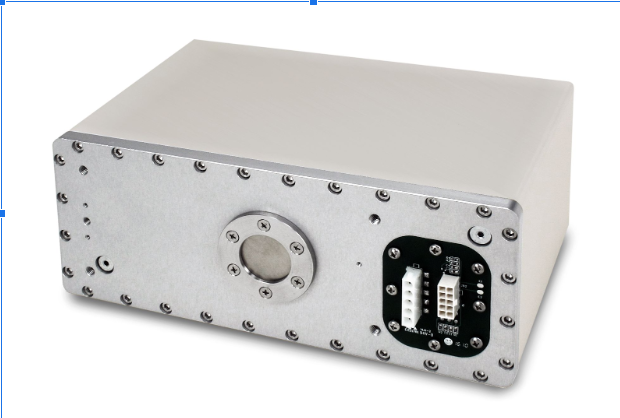
Laboratories in medical, research, and industrial sectors rely heavily on X-ray systems to deliver accurate, consistent, and high-resolution imaging. With the increasing complexity of analytical tasks, labs require equipment that not only performs efficiently but also integrates seamlessly into existing workflows. Advanced systems developed by high-voltage X-ray source manufacturers have transformed the landscape of laboratory imaging. By offering precise energy control, improved reliability, and compact designs, these systems support enhanced imaging capabilities while reducing operational challenges. From accelerated diagnostics to safer handling of sensitive components, the advantages of modern X-ray systems are reshaping lab efficiency and output quality.
1. Enhanced Imaging Accuracy
Advanced X-ray systems provide unmatched accuracy in imaging by leveraging cutting-edge components and high-precision electronics. Unlike older systems, these modern devices maintain stable beam intensity and consistent exposure times, which are critical for both medical diagnostics and material inspection. The combination of high-resolution detectors and carefully regulated X-ray generation allows labs to identify even minute structural or biological anomalies. Reliable imaging accuracy ensures that results are reproducible and interpretable, which is crucial for research applications and clinical decision-making.
- Consistency Across Multiple Tests
Consistency is a hallmark of advanced X-ray systems. With sophisticated control mechanisms and enhanced system design, modern devices can replicate imaging conditions across multiple tests without variation. This feature is particularly important in research environments where longitudinal studies require uniform conditions for comparative analysis. High-end systems stabilize voltage and beam intensity, preventing discrepancies that could compromise results. By minimizing variability between scans, laboratories can rely on their imaging data for precise measurements, ensuring experiments are accurate and reliable over time.
- Faster Analysis and Processing
Efficiency in data acquisition and processing is another significant advantage of modern X-ray systems. Advanced imaging platforms are equipped with rapid detectors and optimized energy control, allowing labs to capture high-quality images more quickly than traditional setups. Faster imaging not only accelerates research timelines but also supports high-throughput environments in diagnostic labs. Time savings from rapid scanning translate into more experiments or patient scans per day without sacrificing image quality.
- Improved Lab Safety
Advanced X-ray systems enhance safety for operators and lab personnel by incorporating effective shielding and precision control over radiation output. Controlled beam generation ensures that radiation exposure is limited strictly to the area under study, minimizing risk. These systems are engineered to comply with strict regulatory standards and often include built-in fail-safes to prevent accidental overexposure. Improved safety measures are especially beneficial in compact labs where space constraints could increase the risk of unintended exposure.
- Reduced Maintenance and Downtime
High-quality modern X-ray systems are designed to minimize maintenance needs and reduce operational downtime. By using durable components and sophisticated thermal management systems, these devices experience less wear and tear than older models. Precision electronics prevent voltage spikes and fluctuations, protecting sensitive parts from damage. Reduced maintenance not only lowers operational costs but also ensures that laboratories can continue their work uninterrupted. Additionally, systems with automated diagnostics can alert technicians to potential issues before they escalate, allowing preventive maintenance to be conducted efficiently.
- Compact Design for Space-Limited Labs
Modern X-ray systems often feature compact designs, making them ideal for laboratories with limited physical space. Smaller footprints do not compromise functionality; instead, they allow labs to deploy advanced imaging technology without major infrastructure changes. Compact systems integrate high-performance components in an optimized layout, enabling labs to perform complex imaging tasks efficiently. Space efficiency also facilitates better workflow organization, as equipment can be placed closer to workstations or integrated with other instruments. The combination of advanced technology and compact design ensures that even labs with limited room can maintain high imaging standards.
7. Energy Efficiency and Sustainability
Energy efficiency is a critical consideration in modern laboratory operations. Advanced X-ray systems consume less power while maintaining high output quality, thanks to optimized circuitry and improved thermal management. Efficient energy use reduces operational costs and contributes to sustainability initiatives within the lab. Moreover, precise power control reduces heat generation, which protects internal components and supports longer system lifespans. By delivering consistent performance at lower energy demands, modern systems allow labs to achieve high imaging quality while being environmentally responsible.
8. Flexibility Across Applications
Modern X-ray systems are versatile and adaptable to a wide range of applications. Whether used for medical diagnostics, industrial inspection, or research purposes, these systems can accommodate varying imaging requirements. Precision power control allows for adjustable exposure settings, while modular designs support integration with other instruments. The ability to switch between different imaging modes without compromising stability ensures that labs can utilize the same system for multiple purposes. This flexibility enhances return on investment and ensures that the laboratory’s equipment remains relevant for diverse projects.
9. Support for Advanced Research and Development
Advanced X-ray systems empower labs to explore complex R&D projects that were previously limited by technological constraints. High-performance imaging enables the study of intricate biological structures, fine material defects, or micro-scale processes with clarity. Laboratories engaged in innovation benefit from high precision and reproducibility, which are crucial for developing new technologies and applications. The integration of modern software tools further enhances the system’s capability, providing detailed visualization, measurement, and analysis options that support cutting-edge research initiatives.
10. Integration with OEM Solutions
Modern X-ray systems are designed to integrate seamlessly with high-voltage generator solutions, providing enhanced performance and scalability. OEM-level integration allows laboratories and industrial partners to tailor systems to specific requirements, whether for medical imaging platforms, research instruments, or industrial inspection devices. This adaptability ensures that laboratories can deploy advanced imaging technologies without extensive custom modifications, optimizing both installation time and long-term operational efficiency. Seamless integration with OEM solutions also enables future upgrades, ensuring the long-term relevance of the equipment.
Conclusion
Advanced X-ray systems offer laboratories a multitude of benefits, ranging from high imaging accuracy and consistency to improved safety, energy efficiency, and adaptability. By leveraging compact, reliable, and versatile designs, these systems allow labs to achieve superior imaging performance while optimizing workflow and resource use. Companies such as VJ X-Ray exemplify excellence in this field, offering precision-engineered systems and high-voltage generator solutions that meet the stringent demands of modern laboratories. Through innovative design and OEM integration, VJ X-Ray enables labs to harness the full potential of advanced imaging technologies, ensuring reliable performance, long-term stability, and exceptional results across medical, industrial, and research applications.