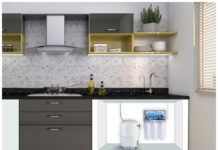


























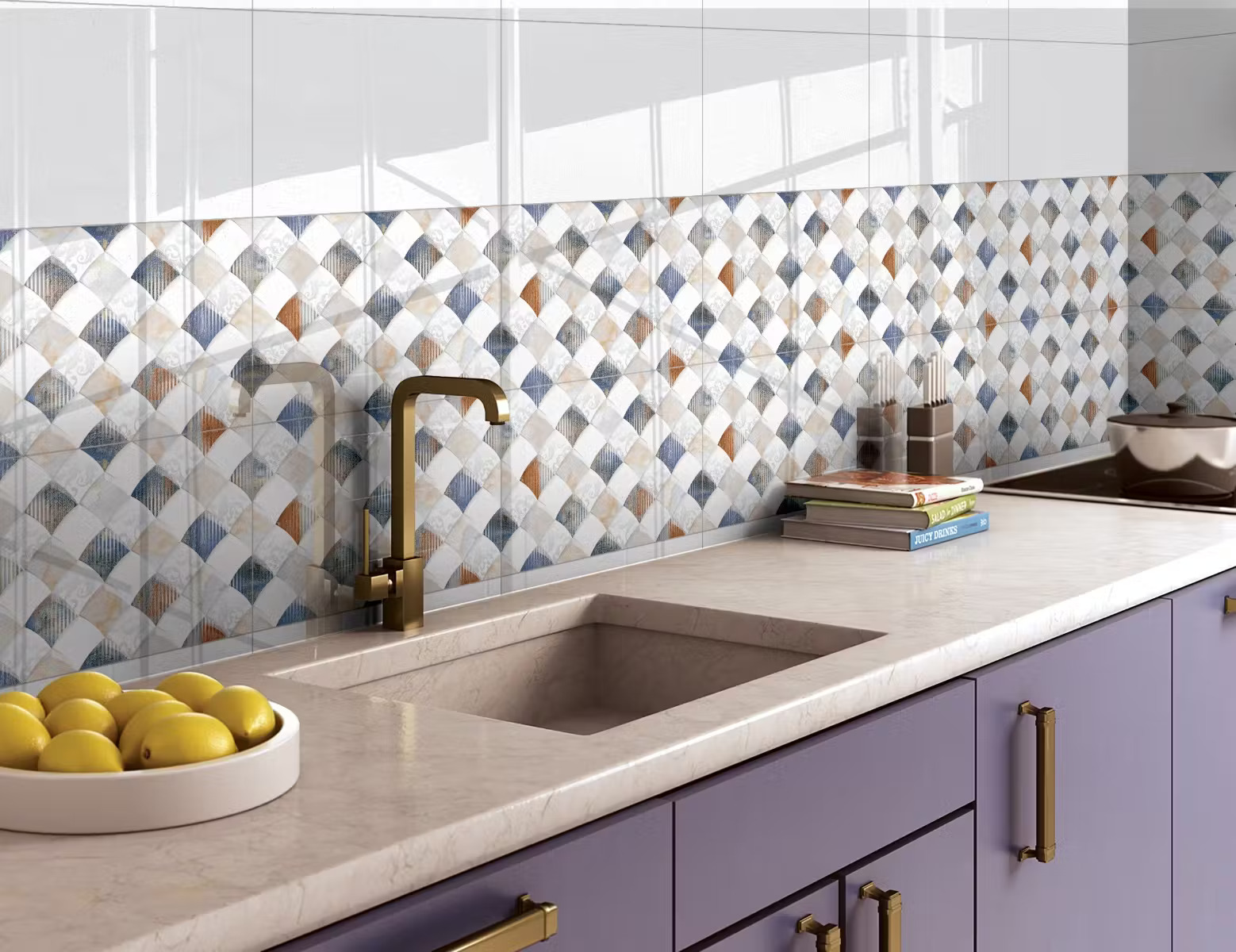
Kitchen wall surfaces face constant exposure to heat, moisture, and stains, making tile selection an important design decision. Choosing the best tiles for kitchen walls ensures durability, easy maintenance, and visual appeal. Today’s kitchens combine functionality with aesthetics, and wall tiles play a major role in achieving that balance.
Key Features to Look for in Kitchen Wall Tiles
Not all tiles are suitable for kitchen walls. The best options are those that can handle daily wear while maintaining a clean look. Important features include:
- Resistance to heat and moisture
- Smooth surface for easy cleaning
- Long-lasting color and finish
- Compatibility with modern kitchen layouts
Tiles that meet these criteria help maintain hygiene and reduce long-term maintenance efforts.
Popular Tile Options for Kitchen Walls
Different tile materials offer unique benefits depending on kitchen size and usage.
Ceramic and Glazed Tiles
Ceramic tiles remain a popular choice due to their affordability and variety of designs. Glazed finishes protect the surface from stains and make cleaning effortless, making them ideal for cooking and washing areas.
Matte vs Glossy Finishes
Glossy tiles reflect light and make compact kitchens feel larger. Matte tiles provide a soft, contemporary look and are better at hiding smudges, especially in high-use kitchens.
Wooden Tiles for Kitchen Walls: A Modern Design Trend
For homeowners looking to add warmth and character, wooden tiles for kitchen walls have become a preferred design option. These tiles replicate the natural texture of wood while offering better resistance to moisture and heat compared to real wood panels.
Wooden tiles work especially well as backsplash areas or feature walls. They create a stylish contrast when paired with light-colored cabinets and countertops. Available in multiple shades such as oak, walnut, and teak finishes, wooden tiles suit both modern and rustic kitchen themes.
Where Wooden Wall Tiles Work Best in Kitchens
Wooden tiles are most effective when used strategically rather than covering the entire wall. Common usage areas include:
- Backsplash behind the stove or sink
- Breakfast counter wall panels
- Accent walls near dining spaces
Using wooden tiles selectively helps maintain balance and prevents the kitchen from feeling visually heavy.
Choosing the Right Tile Design for Your Kitchen
When selecting the best tiles for kitchen walls, consider factors like kitchen size, natural lighting, and cabinet color. Light-toned tiles work well in small kitchens, while textured or wooden tiles add depth to larger spaces. Mixing tile styles—such as combining plain tiles with wooden accents—creates a modern and personalized look.
Proper installation and quality materials ensure that kitchen wall tiles remain durable and visually appealing over time.