


























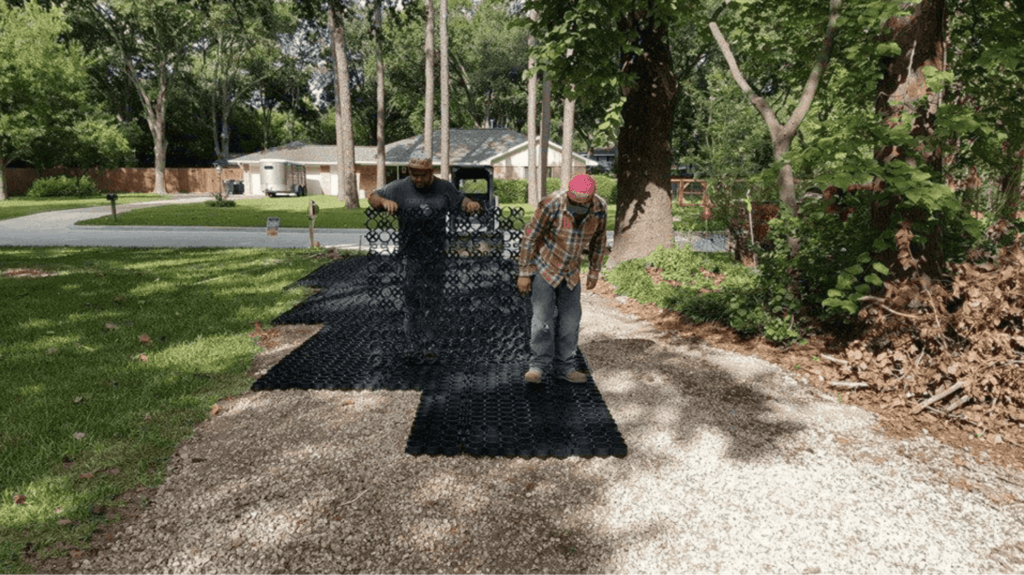
Traditional gravel and grass driveways often struggle with rutting, spreading stones, and surface instability—especially under regular vehicle use. Driveway Grids offer a smart, modern solution that reinforces the ground while maintaining an attractive natural finish. Whether for residential properties, commercial sites, or rural access routes, these grid systems help create stable surfaces that stay neat and functional in all weather conditions.
How Driveway Grids Reinforce and Stabilise Surfaces
Driveway grid systems interlock to form a strong structural base that distributes vehicle weight evenly. This prevents gravel from shifting or sinking and stops grassed surfaces from becoming muddy or uneven.
Key performance benefits include:
- Reduced rutting and movement under heavy loads
- Long-lasting surface stability
- Cleaner, more defined parking areas
- Better traction for vehicles and pedestrians
Filled with gravel, soil, or grass seed, Driveway Grids maintain the natural appearance of your driveway while strengthening its foundation.
Permeable Driveway Solutions for Sustainable Drainage
Modern landscaping often requires permeable surfaces to manage surface water effectively. Driveway grids support Sustainable Urban Drainage Systems (SuDS) by allowing rainwater to pass through the surface and drain naturally into the ground below.
This environmentally friendly approach helps:
- Prevent puddles and localised flooding
- Reduce surface water runoff
- Support groundwater recharge
- Meet planning requirements for new driveway installations
Because the grids maintain a firm structure while remaining fully permeable, they provide both performance and sustainability in one solution.
Easy Installation for New and Existing Driveways
One of the biggest advantages of Driveway Grids is their straightforward installation. Lightweight and simple to handle, the panels click together quickly and can be installed by both DIY users and professional landscapers.
Installation typically involves:
- Levelling and compacting the ground
- Adding a suitable sub-base if required
- Laying the interlocking grids
- Filling them with gravel, grass seed, or chosen infill
- Compacting for a clean and even finish
Once installed, the surface stays tidy and requires significantly less maintenance than a traditional gravel driveway.
Ideal for Homes, Farms, Commercial Sites, and More
Driveway grid systems are incredibly versatile and suitable for many outdoor applications where ground stability is essential.
Common uses include:
- Residential driveways
- Overflow car parks
- Rural access tracks
- Caravan and camping pitches
- Stable yards and equestrian areas
- Garden paths and landscaping projects
For homeowners and businesses seeking dependable products, Driveway Grids from Ecodeck provide durable reinforcement designed for long-term performance.
A Low-Maintenance Driveway That Lasts
Because the grids keep the surface materials locked in place, maintenance becomes minimal. Gravel stays where it belongs, grass grows more evenly, and rainwater drains naturally. The result is a driveway that remains clean, level, and attractive throughout the year—without constant upkeep.
Long-term benefits include:
- Fewer resurfacing costs
- Increased usability in wet conditions
- Improved kerb appeal
- Reduced environmental impact
Driveway Grids offer a smart, modern upgrade that improves both the form and function of outdoor spaces.
Conclusion
Practical driveway grid systems are an excellent choice for anyone looking to create a stable, permeable, and low-maintenance driveway or access route. With easy installation, long-lasting durability, and eco-friendly drainage performance, driveway grids provide a reliable foundation that enhances both appearance and usability. Whether reinforcing gravel, supporting grass, or improving commercial access routes, these systems deliver strength and sustainability for years to come.