
























Designing a modern kitchen is about balancing functionality, aesthetics, and efficient use of space. When it comes to choosing between wall-mounted and under-sink (UTC) water purifiers, smart space planning plays a crucial role. Both options provide safe drinking water, but the right choice depends on your kitchen layout, storage needs, and design preferences. Here’s a structured guide to help you plan effectively.
What is a Wall-Mounted Water Purifier?
Wall-mounted purifiers are installed directly on the kitchen wall, usually above the sink. They often include a built-in storage tank and are easily accessible for everyday use.
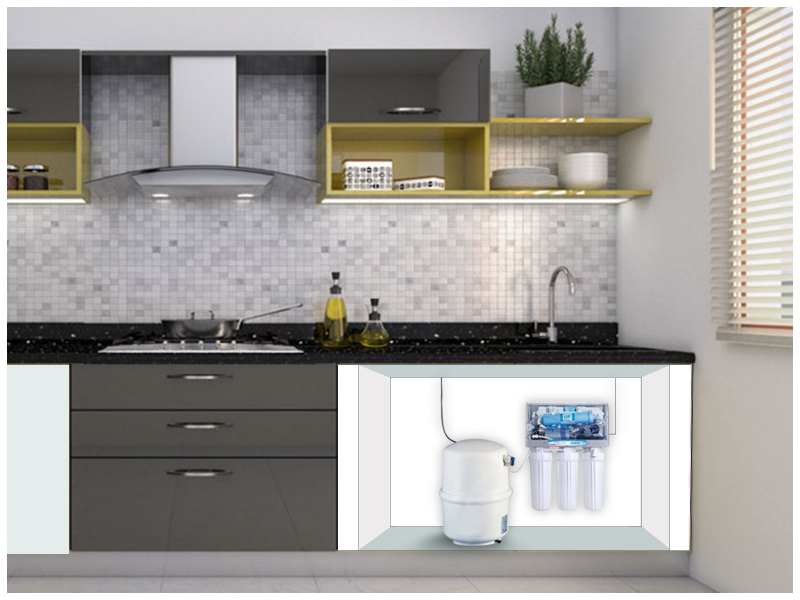
What is an Under-Sink (UTC) Water Purifier?
Under-sink purifiers are installed inside the cabinet beneath the kitchen sink. Purified water is dispensed through a separate faucet mounted on the sink or countertop, keeping the main unit hidden from view.
Wall Mounted or Under Sink Water Purifier: Which One Is Right for Your Kitchen?
Evaluate Your Kitchen Layout
Before choosing a purifier, assess your kitchen’s structural layout:
- Compact Kitchens: If wall space is limited due to cabinets, chimneys, or windows, an under-sink purifier is a smart alternative.
- Spacious Kitchens: If you have adequate wall space above the sink, a wall-mounted model can be installed without disrupting the layout.
For modular kitchens with overhead cabinets, under-sink systems often integrate more seamlessly.
- Plan for Storage Efficiency
Space planning is not just about visible areas; it also includes cabinet utilisation.
- Wall-Mounted Units: These free up cabinet space but occupy visible wall area.
- Under-Sink Units: These use cabinet space but keep walls clean and uncluttered.
If your under-sink cabinet already stores cleaning supplies or waste bins, you’ll need to check whether there’s enough room for filters and service access. Ideally, leave some clearance for maintenance.
- Consider Aesthetics and Design Flow
Modern kitchens emphasise clean lines and minimal visual clutter.
- Under-sink purifiers support a streamlined design because the system remains concealed.
- Wall-mounted purifiers are more visible and may disrupt a sleek backsplash or tiled wall design.
If you’re investing in premium finishes like glass panels, designer tiles, or modular cabinetry, a hidden purification system enhances the overall aesthetic appeal.
- Account for Plumbing and Electrical Points
Proper space planning requires evaluating existing utility connections:
- Under-Sink Purifiers: Require inlet, outlet, and drainage connections within the cabinet. An electrical socket inside or near the cabinet is necessary.
- Wall-Mounted Purifiers: Require a wall water inlet and a nearby power outlet.
If your plumbing is already sink-centric (for dishwashers or garbage disposals), installing an under sink water purifier becomes easier and more efficient.
- Think About Accessibility and Maintenance
Maintenance access is often overlooked during planning.
- Wall-mounted units offer easy visibility of indicators and convenient filter replacement.
- Under-sink models require cabinet access, so ensure doors open fully and there is adequate working space.
When planning cabinetry, avoid tight compartments that restrict servicing.
- Evaluate Water Storage Needs
Many wall-mounted purifiers come with larger built-in storage tanks, making them suitable for areas with frequent power cuts.
Under-sink models are often designed for on-demand purification or smaller storage capacities. If uninterrupted supply is a concern, factor this into your space planning.
Conclusion
Choosing between a wall-mounted and under-sink water purifier is not just about technology; it’s about intelligent space management.
Opt for a wall-mounted purifier if you prioritise cabinet storage and easy accessibility. Choose an under-sink system if you value a clean, modern aesthetic and have sufficient cabinet space for installation.
By aligning your purifier choice with your kitchen’s layout, storage planning, and design goals, you can create a functional and visually appealing modern kitchen that meets both practical and lifestyle needs.