























Delaying a damaged double-glazed unit may seem harmless, but hidden problems can quickly develop behind the glass. From rising energy bills to reduced comfort and potential property damage, postponing repairs often costs far more than expected. Understanding the risks helps you protect your home, improve efficiency, and avoid unnecessary expenses.
If your windows have become misty, cracked, or less effective at keeping your home warm, it may be tempting to put off repairs. However, delaying double glazing glass replacements can lead to more than just cosmetic issues. Damaged glazing affects insulation, energy efficiency, security, and overall comfort, while allowing small problems to develop into larger and more expensive ones. Replacing failed glass units at the right time helps maintain the performance of your windows without necessarily replacing the entire frame. Understanding the hidden costs of waiting too long allows homeowners to make informed decisions that protect both their property and their long-term investment.
How Double Glazing Improves Home Comfort
Double glazing is designed to improve thermal insulation by trapping a layer of air or gas between two panes of glass. This barrier reduces heat transfer, helping your home stay warmer during winter and cooler during summer. It also contributes to better noise reduction and improved energy efficiency.
When the sealed unit begins to fail, these benefits gradually disappear. Moisture can enter the space between the panes, insulation becomes less effective, and the window no longer performs as intended. Although the damage may appear minor at first, the overall efficiency of the window steadily declines.
Higher Energy Bills Can Build Up Over Time
One of the biggest hidden costs of delaying replacement is increased energy consumption. Failed glazing allows more heat to escape from your home, meaning your heating system has to work harder to maintain a comfortable indoor temperature.
Even if the increase in energy use seems small each month, the additional cost accumulates throughout the year. Improving the performance of damaged glazing helps reduce heat loss, supports better energy efficiency, and contributes to lower household running costs.
Reduced Indoor Comfort Throughout the Year
Windows play a major role in maintaining consistent indoor temperatures. Once double glazing loses its insulating properties, rooms can become colder during winter and warmer during hot weather.
This imbalance often creates uncomfortable living spaces, especially in rooms with large windows or those exposed to changing weather conditions. Replacing failed glass units restores the insulation that helps maintain a more stable and comfortable indoor environment throughout every season.
Condensation Between Glass Is More Than a Cosmetic Issue
Many homeowners assume condensation trapped between glass panes is only an appearance problem. In reality, it usually indicates that the sealed unit has failed.
Once moisture enters the space between the panes, the insulating barrier becomes compromised. The window loses clarity, natural light may be reduced, and the thermal performance continues to decline. Ignoring condensation allows the issue to worsen while reducing the overall effectiveness of the glazing.
Delayed Repairs Can Affect Property Value
The condition of your windows contributes significantly to the appearance and condition of your property. Misted or damaged glass creates the impression of poor maintenance, even if the rest of the home is well cared for.
Potential buyers often notice failed glazing during viewings because cloudy or damaged windows are immediately visible. Maintaining properly functioning double glazing helps preserve the property’s appearance while supporting its overall value and market appeal.
Small Problems Often Become Larger Ones
A failed glazed unit rarely improves on its own. What begins as slight condensation or a minor crack can gradually develop into more extensive damage if left untreated.
As the condition deteriorates, surrounding window components may also experience additional strain. Moisture exposure, continued heat loss, and ongoing wear can eventually make repairs more complicated than replacing the glass unit at an earlier stage. If you have started noticing signs of failure, double glazing glass replacements carried out promptly can often resolve the issue before more significant problems develop.
Home Security May Be Reduced
Windows are an important part of your home’s overall security. Cracked or weakened glazing may not provide the same level of protection as an intact sealed unit.
Although modern double glazing is designed for durability, damaged glass should never be ignored. Replacing compromised glass helps restore the strength and reliability of the window while providing greater confidence that your home remains properly protected.
Noise Insulation Can Gradually Decline
Many homeowners appreciate double glazing for its ability to reduce outside noise. When the sealed unit fails, its sound insulation properties may also become less effective.
Traffic, neighbourhood activity, and environmental noise may become more noticeable indoors. Replacing damaged glazing helps restore the acoustic performance of the window, creating a quieter and more relaxing living environment.
Moisture Can Create Additional Concerns
Persistent moisture inside failed glazing units indicates that the protective seal is no longer performing correctly. Although the moisture remains between the glass panes, prolonged deterioration can contribute to ongoing condensation problems around the window area.
Addressing the issue early helps maintain the condition of the window while preventing continued performance loss that may eventually require more extensive repairs.
Replacement Is Often More Practical Than Expected
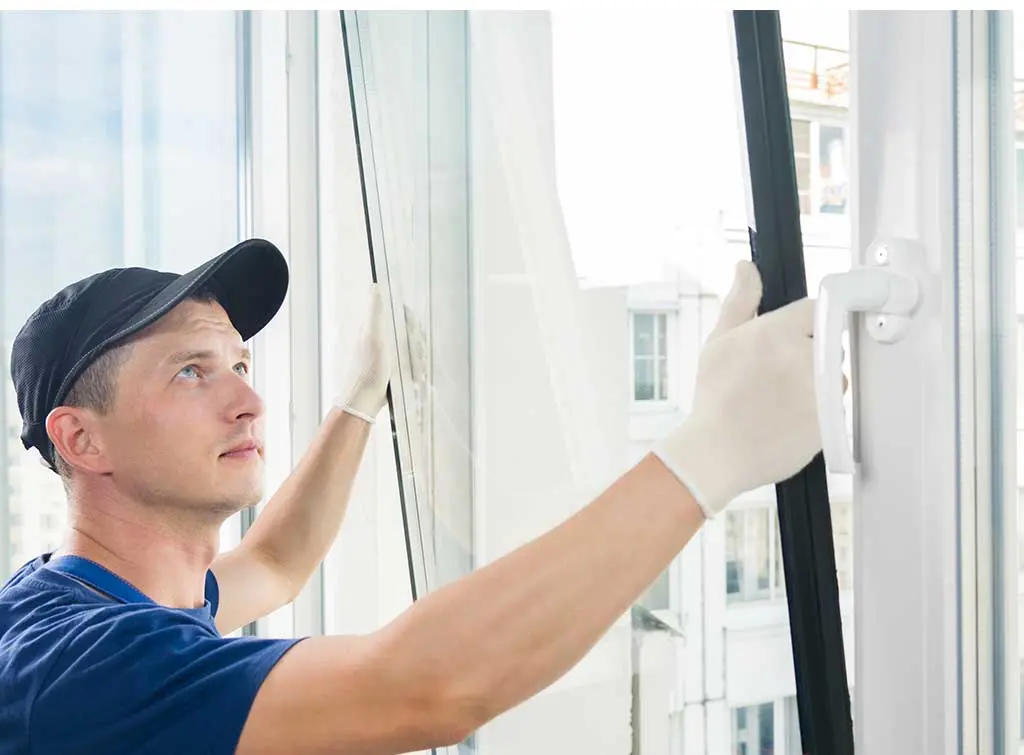
Many homeowners assume an entire window must be replaced when double glazing fails. In many situations, however, only the sealed glass unit requires replacement while the existing frame remains in place if it is still in good condition.
This approach restores insulation, clarity, and energy efficiency without unnecessary disruption. Replacing only the failed glass unit can provide an effective solution while extending the lifespan of your existing windows.
How to Know When Replacement Is Needed
Several warning signs indicate that a double-glazed unit may no longer be performing efficiently. Persistent condensation between the panes, visible cracks, reduced insulation, noticeable draughts around otherwise sound frames, or glass that no longer appears clear all suggest that professional assessment is worthwhile. Identifying these issues early allows repairs to be completed before performance declines further.
Double Glazing FAQs
Is misted double glazing a sign that replacement is needed?
Yes. Condensation trapped between the glass panes usually indicates that the sealed unit has failed. Replacing the glass unit restores visibility, insulation, and the overall efficiency of the window.
Can only the glass be replaced instead of the whole window?
In many cases, yes. If the window frame remains in good condition, replacing the sealed double-glazed unit is often sufficient to restore performance without replacing the complete window.
Does failed double glazing increase heating costs?
It can. Damaged glazing allows more heat to escape, reducing insulation and making your heating system work harder to maintain comfortable indoor temperatures.
Will replacing failed double glazing improve comfort?
Yes. New sealed glass units help reduce heat loss, improve temperature consistency, minimise draughts, and restore the insulating performance your windows were originally designed to provide.
How quickly should failed double glazing be replaced?
It is advisable to arrange replacement as soon as signs of failure appear. Prompt action helps prevent further deterioration while maintaining energy efficiency, comfort, and the appearance of your home.
Final Thoughts
Delaying the replacement of failed double glazing may seem like a way to postpone expense, but it often results in greater costs over time. Reduced insulation, increased energy bills, declining comfort, condensation, and weakened window performance can all develop as damaged glazing continues to deteriorate. Addressing problems early helps restore the efficiency, appearance, and reliability of your existing windows while avoiding unnecessary complications. If you notice misted glass, cracks, or declining thermal performance, arranging double glazing glass replacements promptly is a practical investment in your home’s long-term comfort, security, and energy efficiency. Acting before minor issues become major repairs allows your windows to continue delivering the insulation and performance they were designed to provide for years to come.